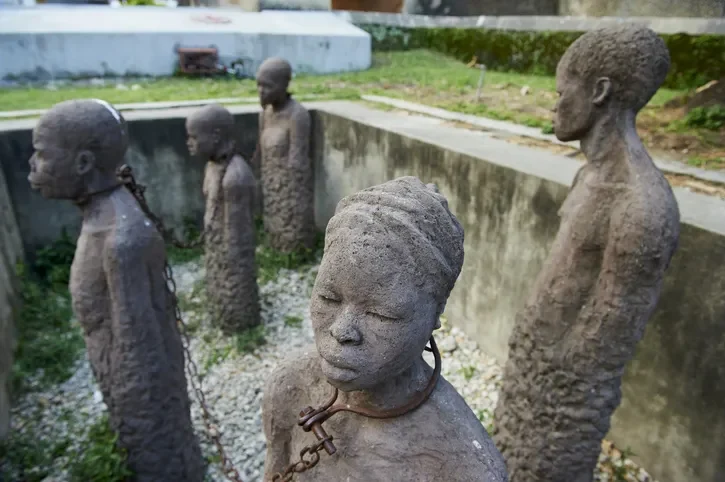
A Nation Divided
The question of reparations for the slave trade has sparked a heated debate among Britons, with a recent YouGov poll shedding light on the nation's divided stance. The survey reveals that while most of the public opposes the idea of the UK paying reparations to countries affected by its transatlantic slave trade, ethnic minority adults, and black adults in particular, are in favor.
"People who were not slaves wanting reparations and apologies from people who did not own slaves." - A comment reflecting the opposition's viewpoint.
The poll's findings highlight a significant ethnic divide, with 66% of white adults opposed to reparations, compared to 71% of black adults in favor. Among all ethnic minority adults, support stands at 50%, with 32% opposed. This disparity raises questions about the perception of historical responsibility and the legacy of colonialism within different communities.
Historical Context and Global Perspective
The discussion on reparations comes in the wake of a UN General Assembly resolution declaring the trafficking of enslaved Africans as "the gravest crime against humanity." The resolution calls for reparations as a means to address historical wrongs. This global perspective adds complexity to the debate, as it invites comparisons with other countries' involvement in slavery and their approaches to addressing its legacy.
"Portugal, they were far bigger slavers than the UK. What about the USA, they had nearly 4 million slaves in the mid 1800s." - A comment highlighting the global nature of the slave trade.
Reparations: A Complex Issue
Supporters of reparations argue that the wealth of the UK was built, in part, on the backs of slaves and the slave trade. They believe that those who benefit from this historical injustice, even indirectly, have a responsibility to address it. However, opponents counter that no one alive today was involved in the slave trade and that punishing modern Britons for the crimes of their ancestors is unjust.
"Our ancestors may have bought slaves, but the only involvement modern Brits have had is some of our taxes being used to pay off the debt from our ancestors ending transatlantic slavery." - An argument against reparations.
Practical Considerations and Alternative Approaches
Some suggest that reparations could be funded through a dedicated wealth tax on long-term established wealth, targeting those who have benefited most from historical injustices. Others propose alternative forms of redress, such as development aid and efforts to address modern-day issues like maternal mortality rates among black women in the UK.
"I’d rather talk about the future than the past. We’ve been paying development aid for decades, mostly to these nations that want reparations." - A comment advocating for a forward-looking approach.
The debate over reparations for the slave trade in the UK underscores the complex nature of historical responsibility and the challenges of addressing the legacies of colonialism. As the discussion continues, it remains to be seen how these issues will be navigated and whether a consensus can be reached.

